

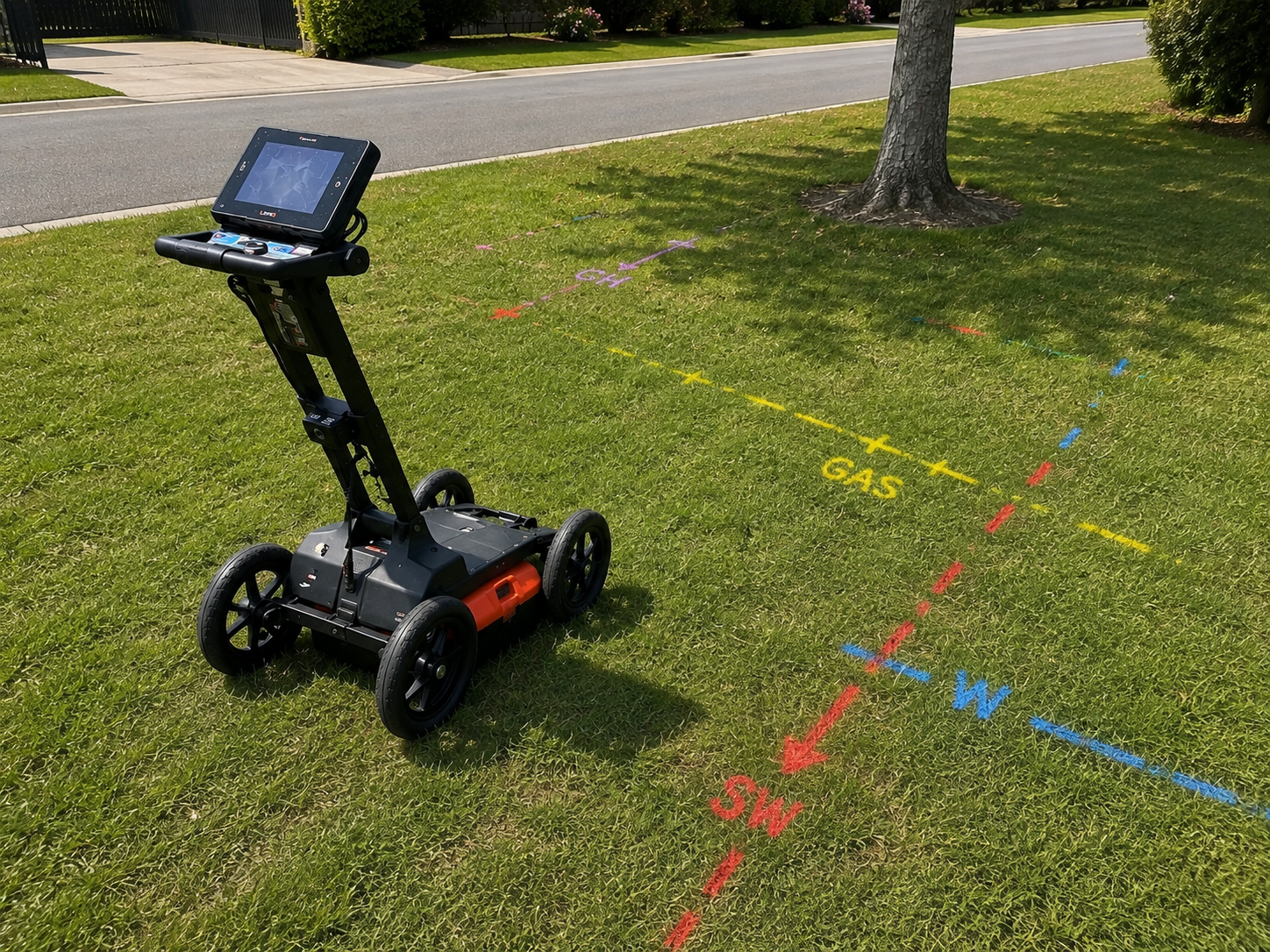
Ground Penetrating Radar
Ground Penetrating Radar (GPR) is a non-invasive technology used to investigate what lies beneath the surface before excavation begins.

-
Ground Penetrating Radar (GPR) is recommended whenever underground conditions need to be investigated before excavation, construction or ground disturbance. It is commonly used where the location of underground utilities is uncertain, existing utility plans require verification, or there is a risk of damaging buried infrastructure during earthworks.
GPR is suitable for a wide range of residential, commercial and civil projects, including:
Vehicle crossings
New building foundations
Service trenching
Drainage installation
Electrical and telecommunications works
Directional drilling
Roading and infrastructure projects
Retaining walls
Subdivisions
Excavation near existing underground services
Ground Penetrating Radar is particularly valuable where non-metallic services such as plastic water pipes, utility ducts or unknown underground structures may be present. When combined with electromagnetic (EM) locating and available utility plans, GPR helps provide a more complete understanding of underground conditions before work begins, reducing the risk of utility strikes, project delays and unexpected excavation costs.
-
Ground Penetrating Radar (GPR) is a versatile underground utility locating technology capable of detecting a wide range of buried objects and subsurface features. Depending on ground conditions and material composition, GPR can assist in locating underground water pipes, stormwater and wastewater infrastructure, electrical conduits, telecommunications and fibre optic ducts, gas services, concrete slabs, reinforcing steel, buried structures and unknown underground utilities.
Unlike conventional electromagnetic locating, Ground Penetrating Radar can identify both metallic and many non-metallic underground assets, making it an important tool for utility locating before excavation, construction, directional drilling, vehicle crossings and civil works. To maximise confidence, Hall Surveying combines GPR with electromagnetic (EM) locating wherever practical, allowing information from multiple locating methods to be compared and verified before reporting.
-
The accuracy of Ground Penetrating Radar depends on several factors, including soil type, moisture content, ground conditions, utility depth, surface materials and the type of underground asset being investigated. Dense clay soils, reinforced concrete, congested utility corridors and highly conductive ground can reduce penetration depth or make data interpretation more complex.
Successful underground utility locating relies not only on advanced equipment but also on experienced interpretation of GPR data and verification using complementary locating methods. At Hall Surveying, every investigation considers available utility plans, site conditions and electromagnetic locating results to provide the highest level of confidence possible while recognising the inherent limitations of non-destructive underground service detection.
Hall Surveying provides a more comprehensive understanding of underground conditions. Every investigation is supported by professional site mark-outs and detailed reporting to help minimise the risk of utility strikes.
Electromagnetic Locate
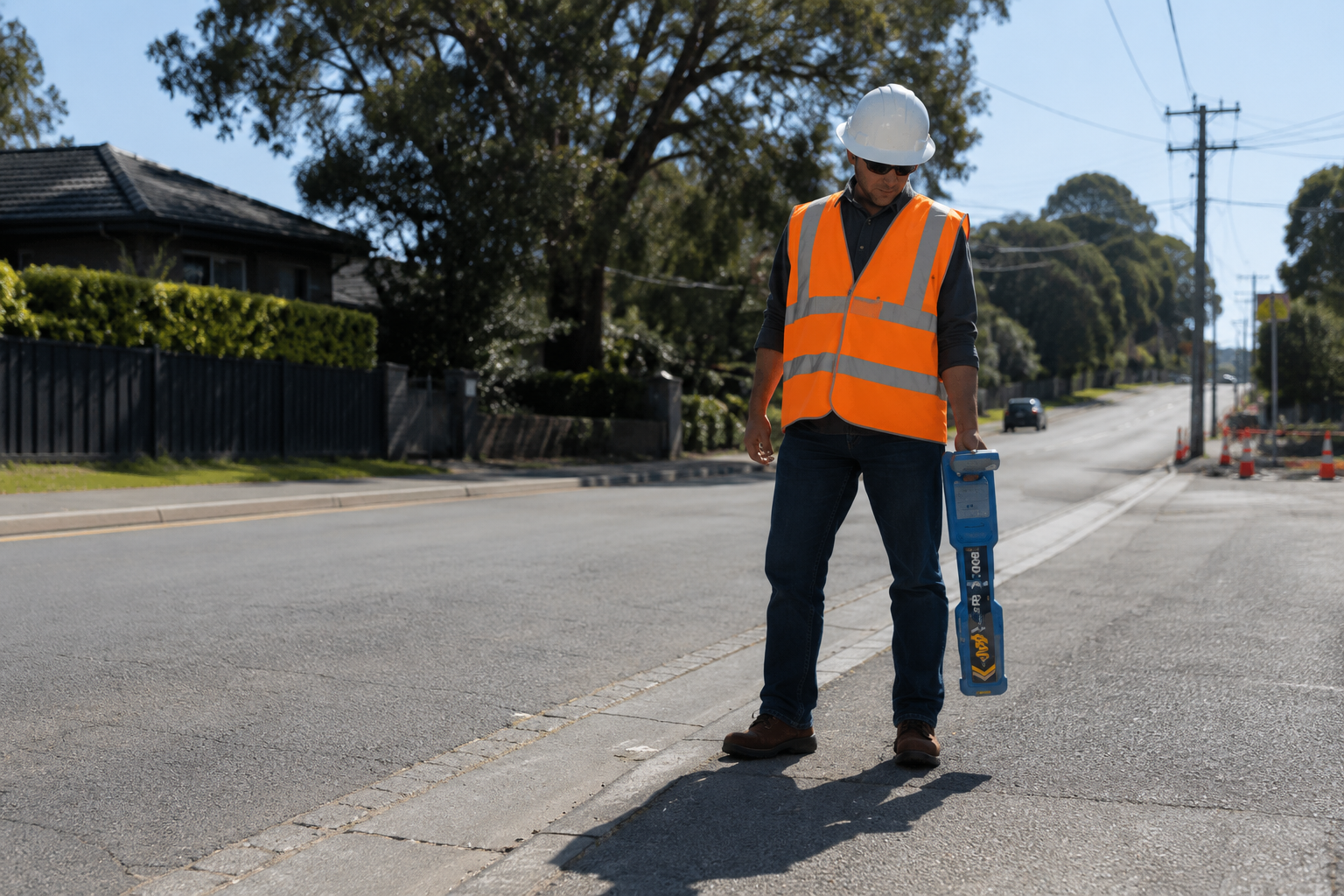
Electromagnetic (EM) locating is highly effective for tracing power cables, telecommunications, tracer wires and metallic pipelines over long distances.
When combined with Ground Penetrating Radar, electromagnetic locating provides greater confidence by identifying utilities that either method alone may not detect.
┃
Using transmitted electromagnetic signals, EM locating identifies and traces conductive underground utilities with a high level of accuracy.
-
Ground Penetrating Radar (GPR) and electromagnetic (EM) locating are complementary underground utility locating technologies, each with unique strengths. Rather than relying on a single method, Hall Surveying combines both technologies wherever practical to provide a more comprehensive understanding of underground services before excavation or construction begins.
EM locating is highly effective for tracing conductive underground utilities such as electrical cables, metallic water pipes, gas mains, telecommunications cables and tracer wires. Ground Penetrating Radar expands on this by detecting both metallic and many non-metallic underground features, including plastic water pipes, stormwater and wastewater infrastructure, utility ducts, concrete structures and unknown buried objects that may not be traceable using EM locating alone.
By comparing information from both locating methods, we can improve confidence in the location and alignment of underground assets while identifying inconsistencies between existing utility plans and actual site conditions. This integrated approach helps reduce the risk of utility strikes, supports safer excavation and provides clients with more reliable information for planning construction, civil works and infrastructure projects.
Precision Reporting
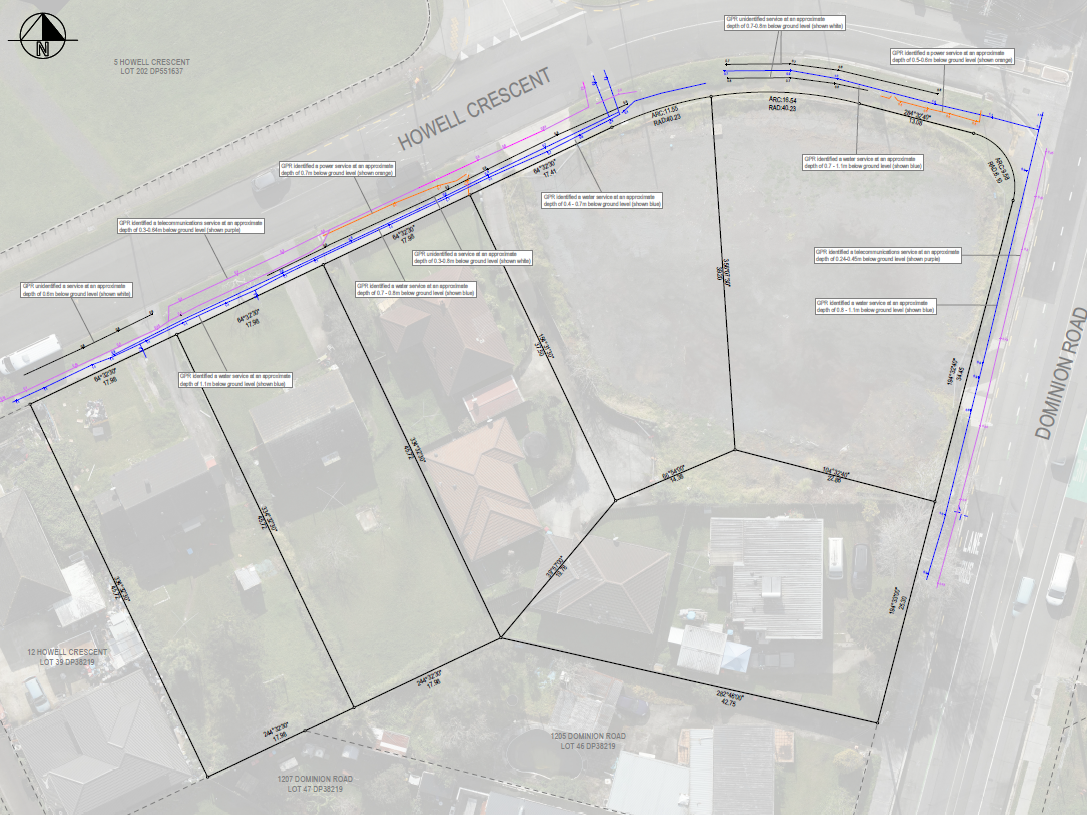
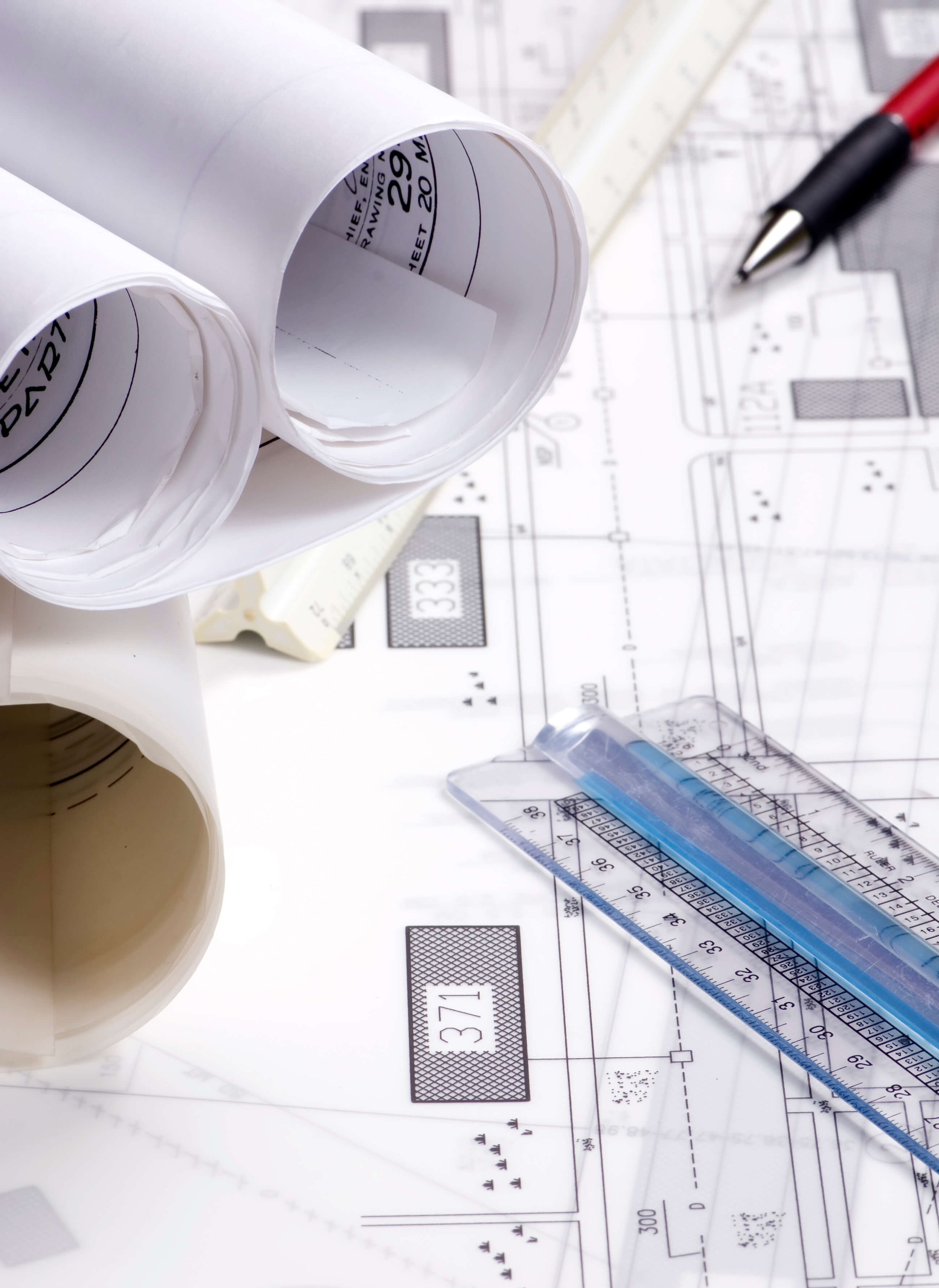
Every utility investigation is supported by a clear, professionally presented report containing marked-up site photographs, utility plans, findings and recommendations.
Clear reporting transforms complex underground information into practical guidance you can confidently act on.
┃
Our reports provide clients with the information they need to plan excavation safely, communicate findings to contractors and maintain a permanent record of the investigation.

Professional Site Marking
Once underground utilities have been identified, they are clearly marked on site using industry-standard colours and symbols. This provides contractors with a practical reference before excavation begins.
┃
Clear, consistent service marking helps reduce excavation risk and improves site safety for everyone involved.
Every mark-out follows recognised utility colour standards and is supported by detailed reporting, ensuring underground services are clearly communicated before work begins.
Our Utility Investigation Process
Every site presents different challenges. Rather than relying on a single locating method.
Hall Surveying follows a systematic process that combines available utility information, electromagnetic (EM) locating
and Ground Penetrating Radar (GPR) to provide the most comprehensive understanding of underground services possible before excavation begins.
Still Have Questions ?
Every site is different. Ground conditions, utility records and construction methods all influence the best locating approach. If you're unsure whether Ground Penetrating Radar is right for your project, contact Hall Surveying for advice before you excavate.
Frequently Asked Questions
-
Ground Penetrating Radar uses high-frequency radio waves to detect changes beneath the ground surface, helping identify buried utilities, voids and underground structures without excavation.
-
GPR can detect metallic and non-metallic utilities, including water pipes, stormwater, wastewater, electrical conduits, fibre ducts, concrete reinforcement, buried structures and unknown underground objects.
-
Yes. Unlike electromagnetic locating, GPR can often detect non-metallic services such as PVC and polyethylene pipes, depending on soil conditions, depth and pipe size.
-
Yes. Located services can be marked on-site using industry-standard paint markings to clearly indicate the estimated location of underground utilities prior to excavation.
-
Ground Penetrating Radar can be used in most weather conditions, although heavy rainfall and saturated ground may reduce penetration depth and image clarity in some soil types.
-
Yes. Hall Surveying provides Ground Penetrating Radar and underground utility locating services across the Auckland region.
-
GPR is highly effective, but accuracy depends on factors such as soil type, moisture, congestion of underground services and target depth. For the best results, Hall Surveying combines GPR with electromagnetic (EM) locating and available utility plans.
-
GPR and EM locating complement each other. EM locating is excellent for tracing conductive services, while GPR can detect both conductive and non-conductive utilities. Using both technologies provides a more complete understanding of underground infrastructure.
-
Detection depth varies depending on the antenna frequency and ground conditions. In favourable conditions, GPR can detect utilities several metres below the surface.
-
The duration depends on the size and complexity of the site. Smaller residential projects may take less than an hour, while larger commercial or infrastructure sites can require several hours or multiple days.
-
Yes. Utility plans remain an important part of any underground investigation. Hall Surveying reviews available utility records alongside GPR and EM locating to provide the most comprehensive assessment possible.
-
Yes. Every survey includes a professional report with annotated photographs, utility plans, site observations and our findings to assist with safe excavation.